Religious Education, History, Geography and Computing
Religious Education (RE)
Religious Education
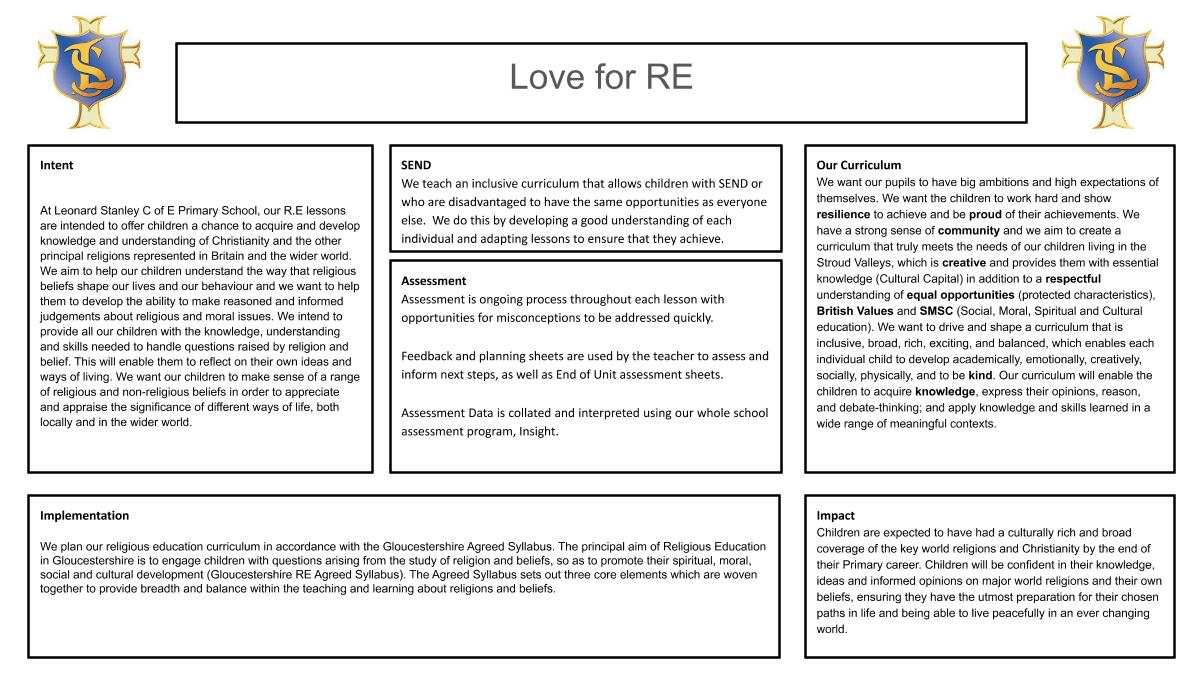
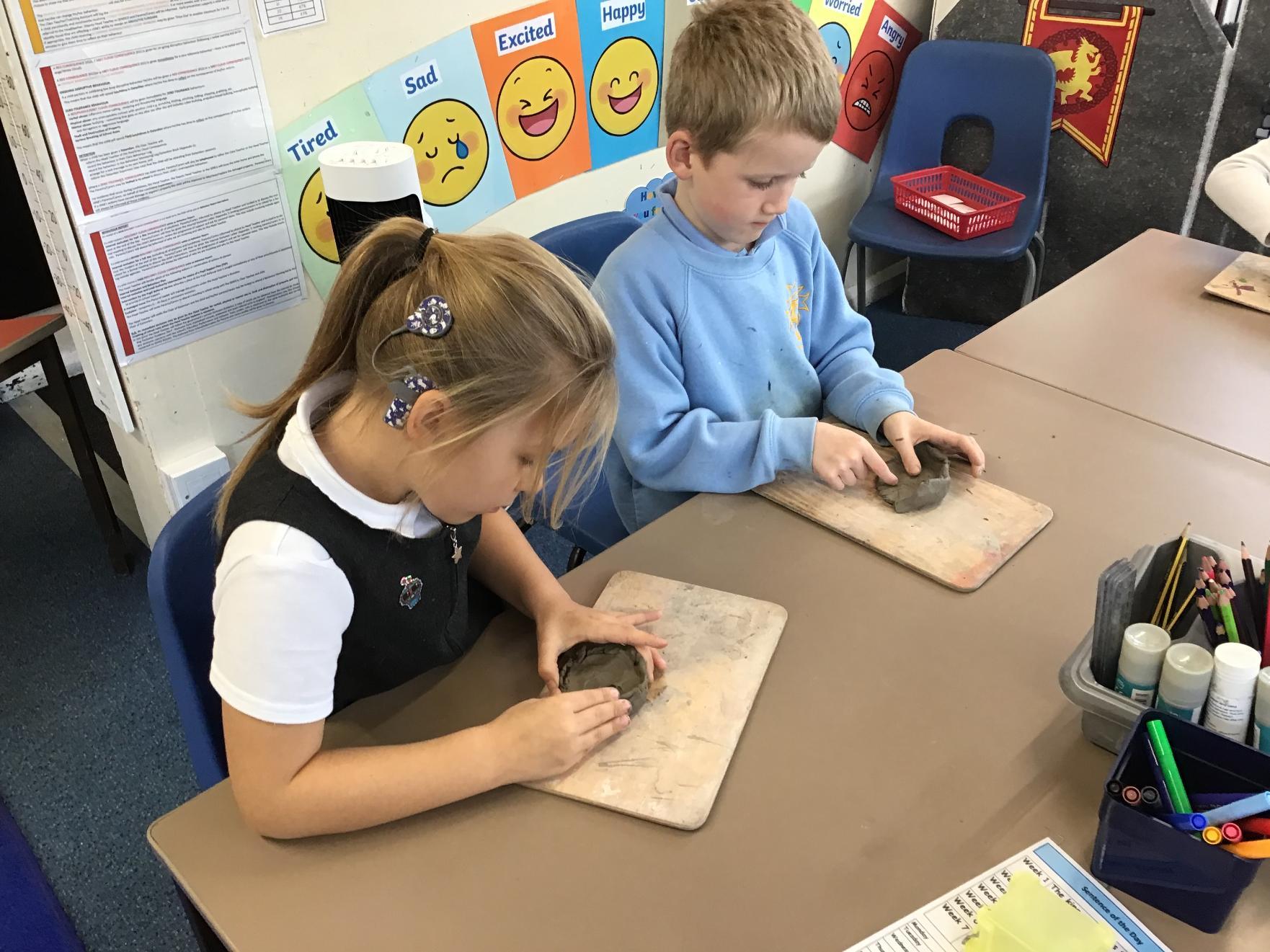
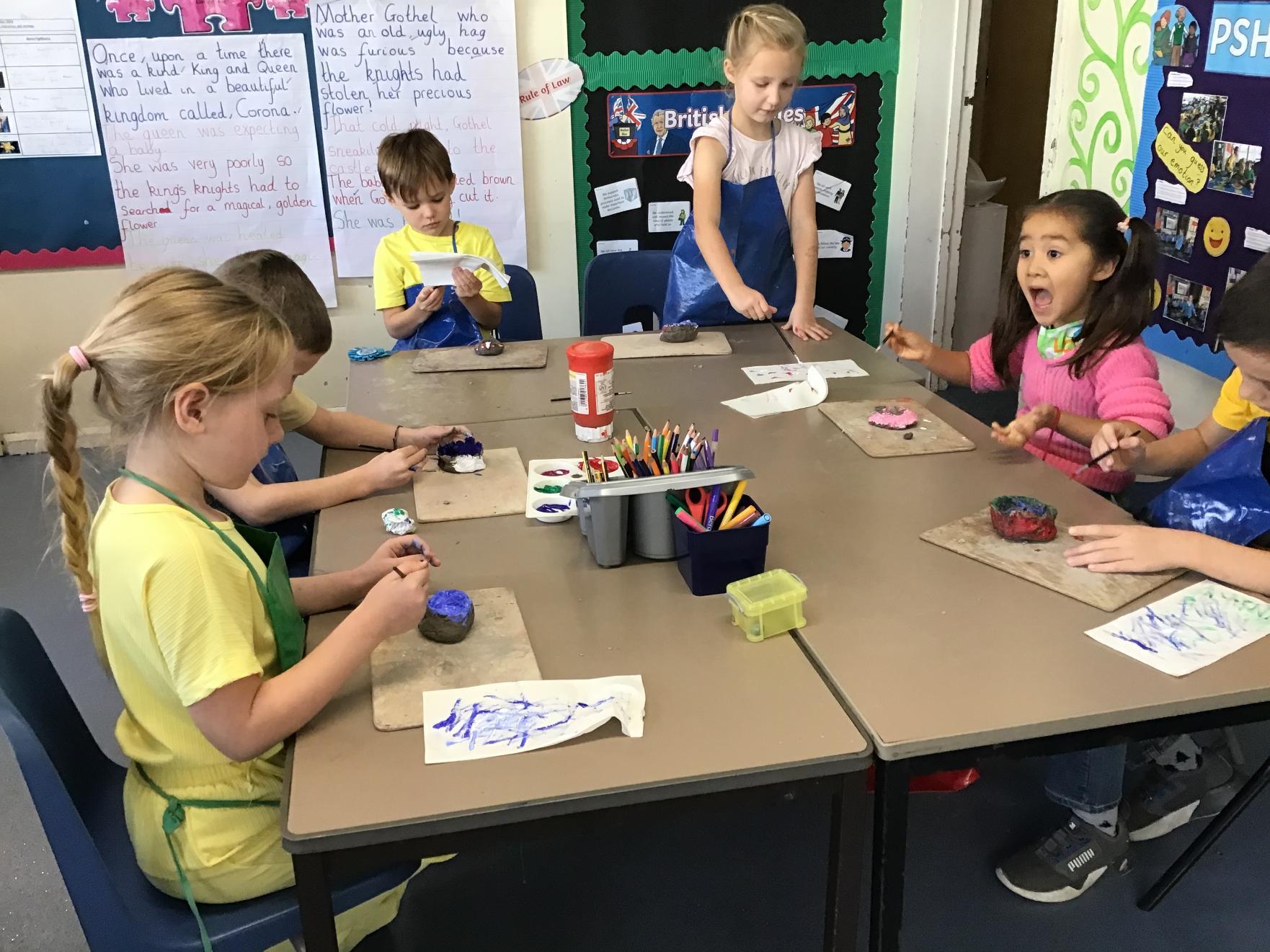
The purpose of learning Religious Education is to have a thorough understanding of Christianity and other world religions and to have an understanding of the beliefs, customs, and rituals of people living in multi-cultural Britain. Since we are a church school, children will be predominantly taught Christianity using the Bible narrative. Children will then explore how Christians make sense of the Bible and the ramifications of modern living.
Parents have the legal right to withdraw their child from all or part of Religious Education (RE) if they wish. This right applies to all schools in England, including Church of England schools, as set out in the Education Act 1996.



History
History
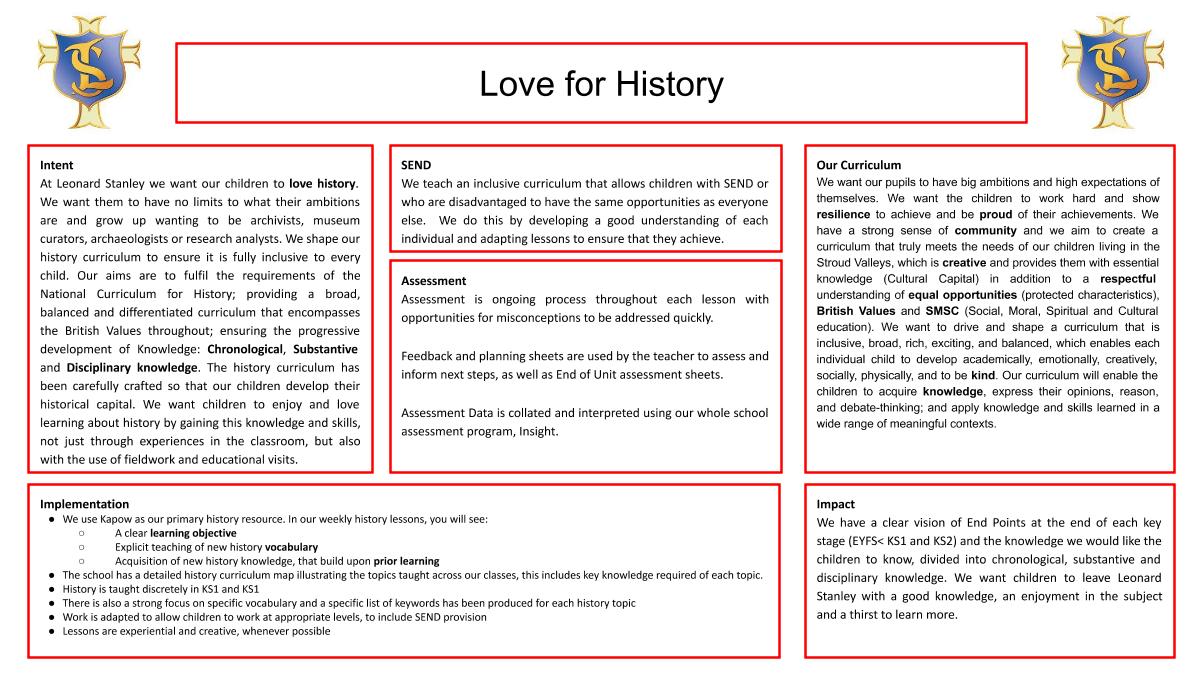
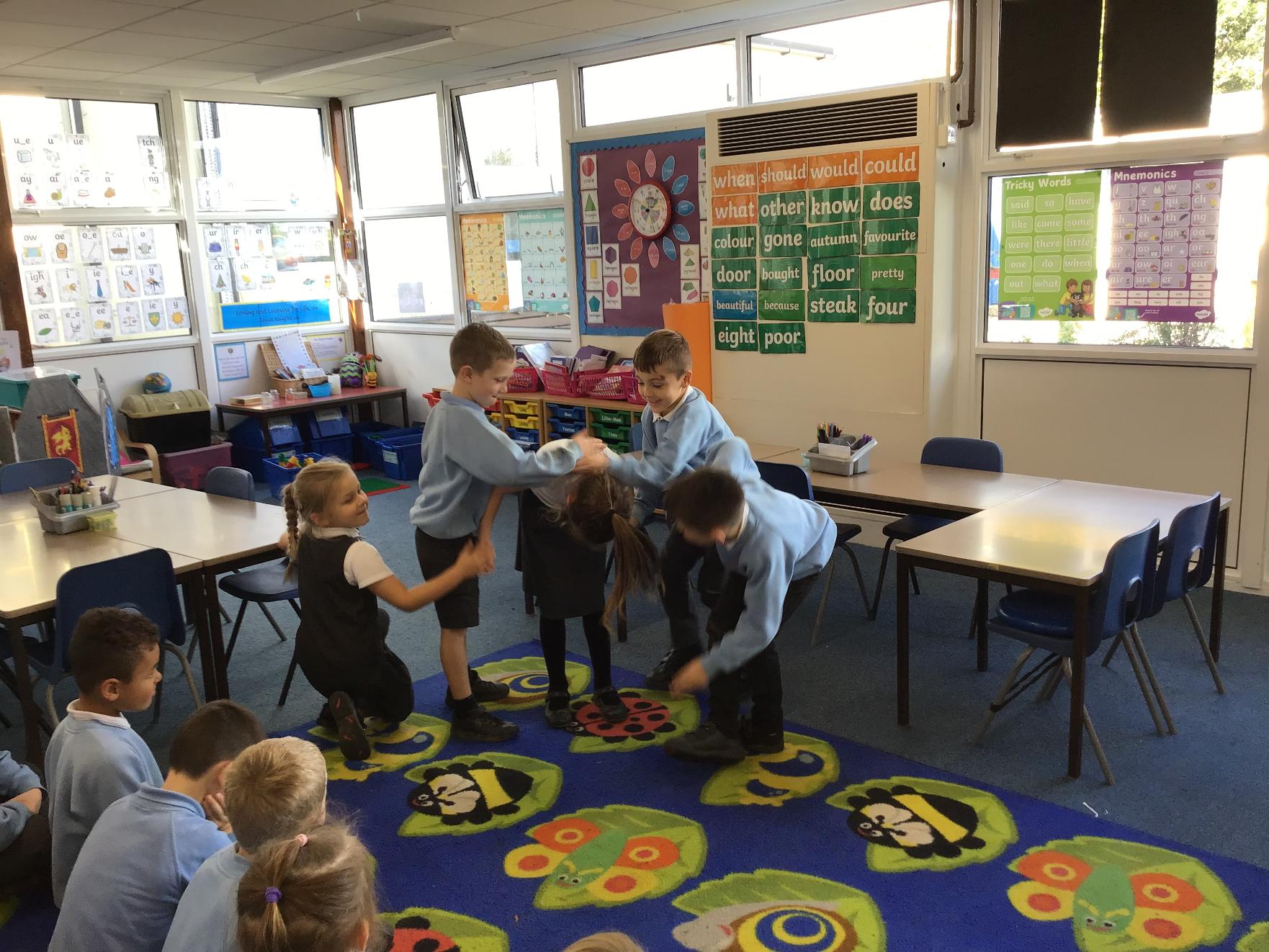
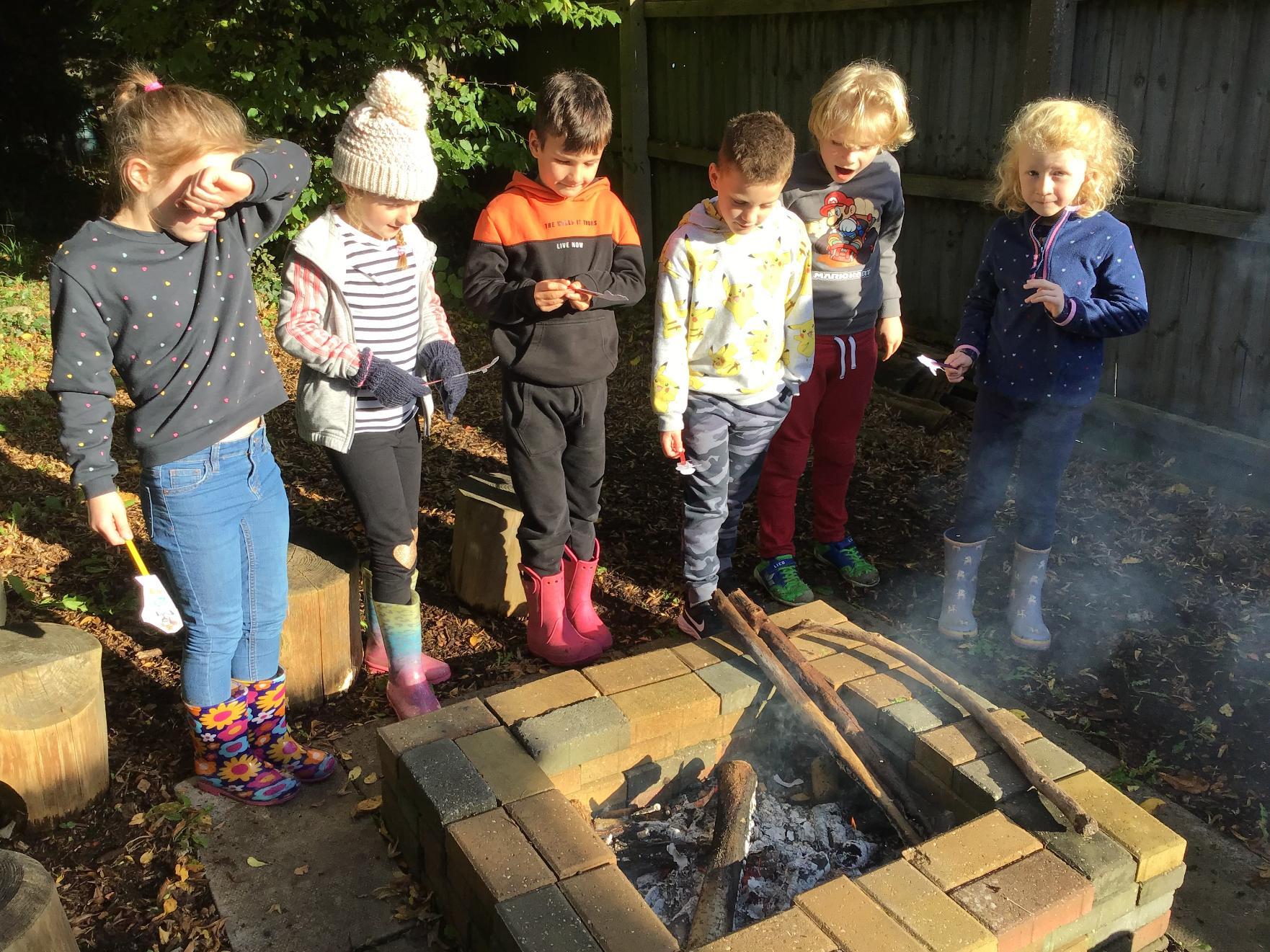
We want our children to love history. We want them to have no limits to what their ambitions are and grow up wanting to be archivists, museum curators, archaeologists, or research analysts. We want them to embody our core values. The history curriculum has been carefully crafted so that our children develop their historical capital. We want our children to remember their history lessons in our school, to cherish these memories, and to embrace the historical opportunities they are presented with!
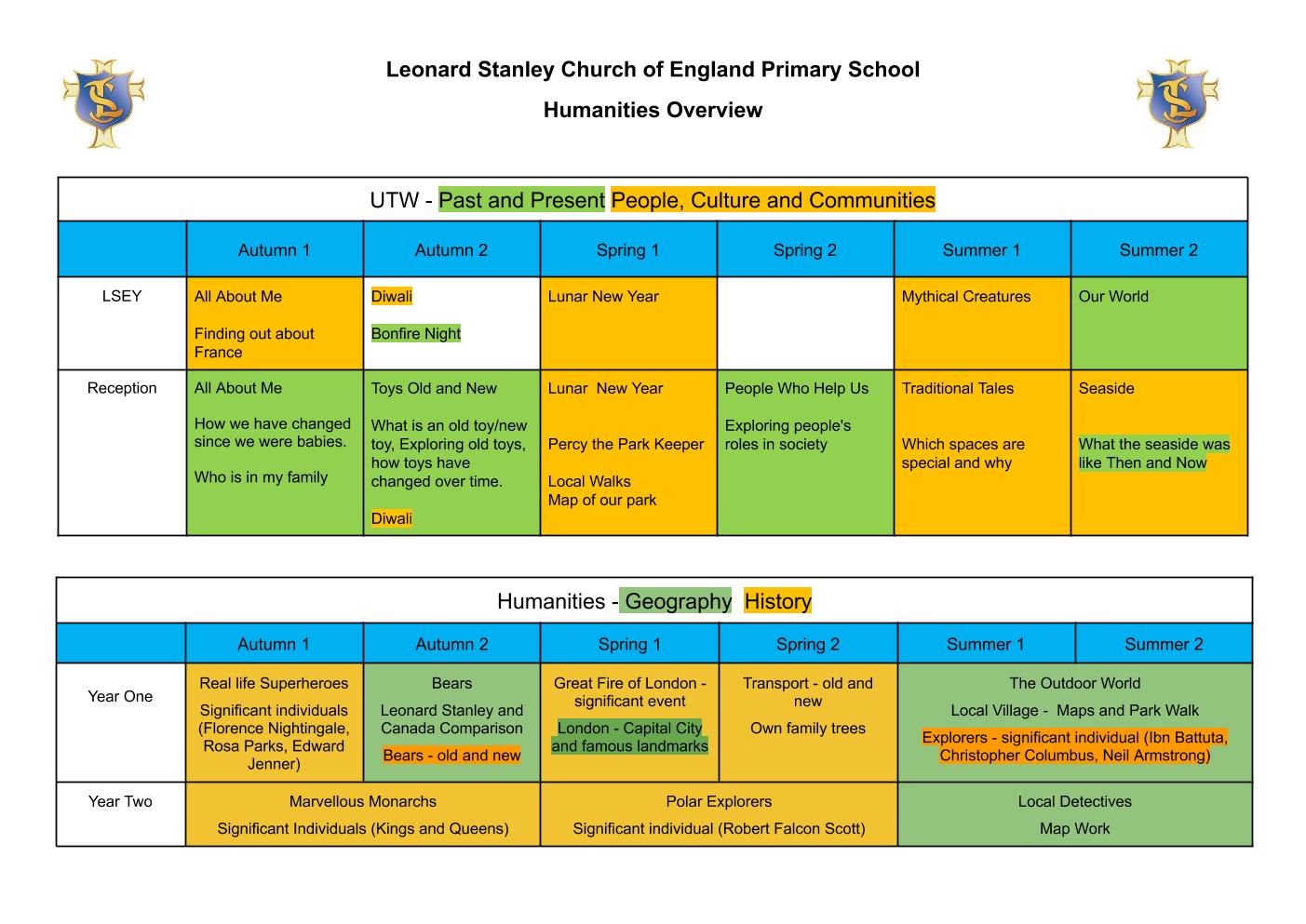
History Overview
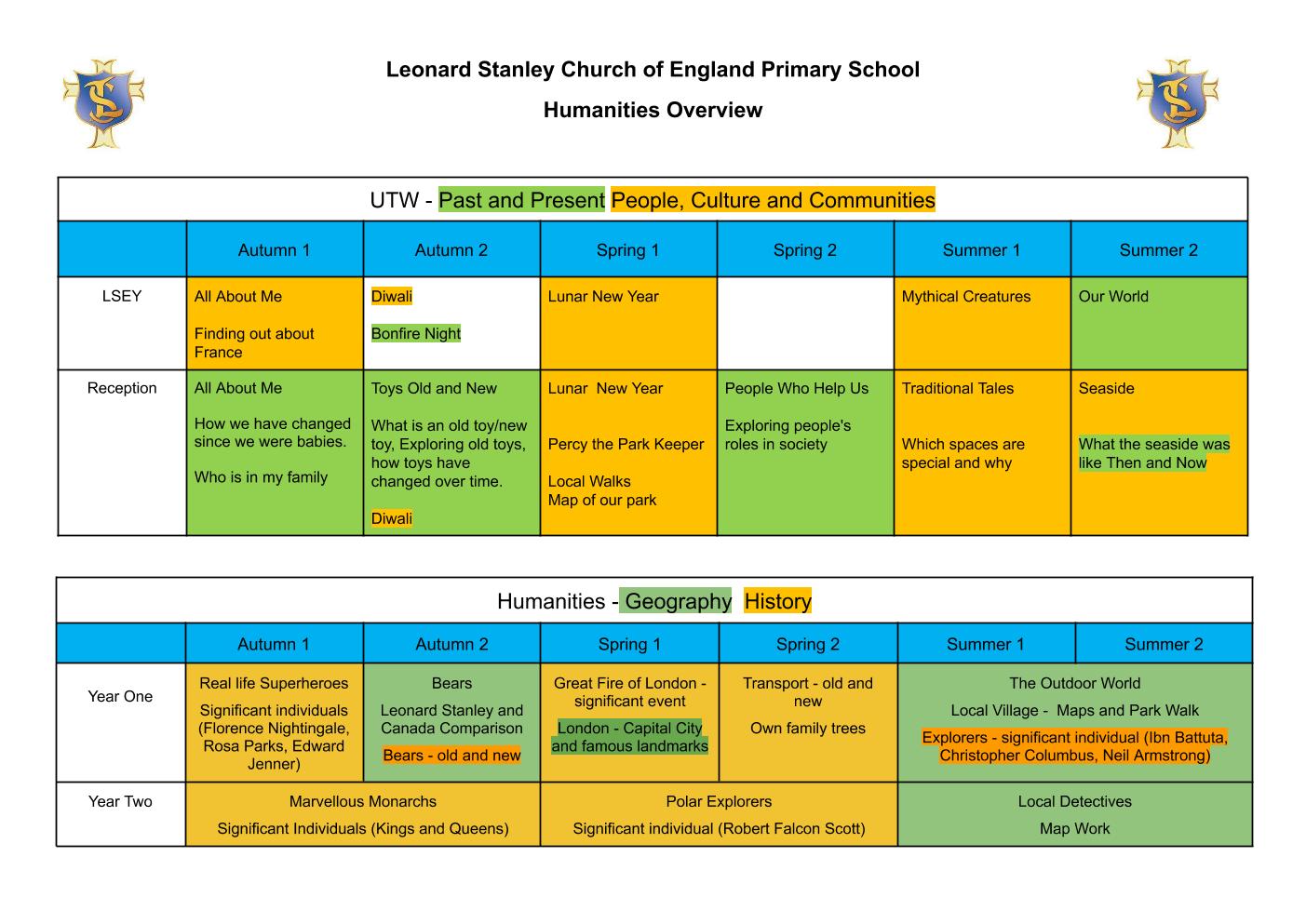
This Curriculum map illustrates what key topics are taught throughout the school
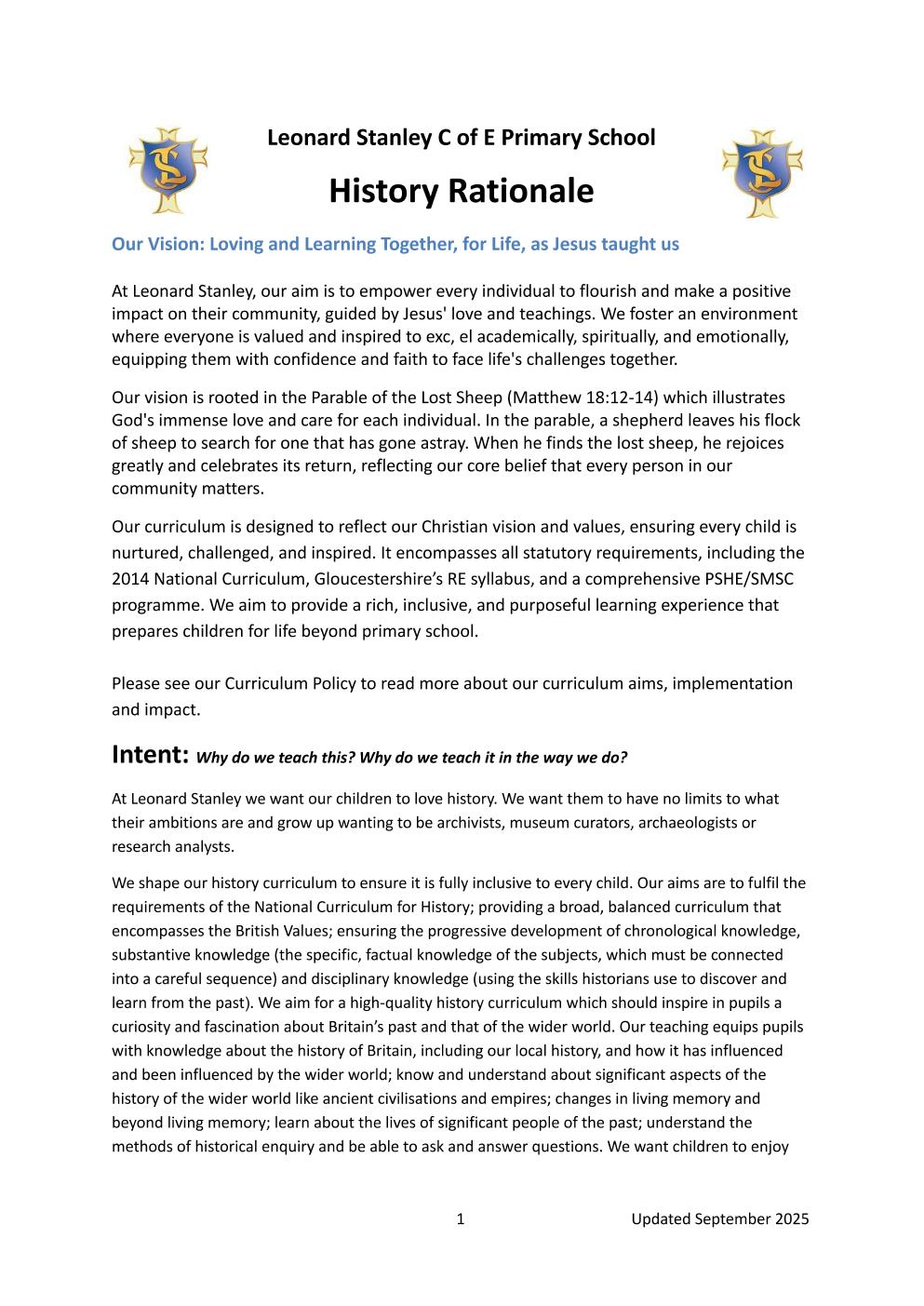
History Rationale
This document explains what we want children to learn, our approach to the subjects and how we measure the impact.
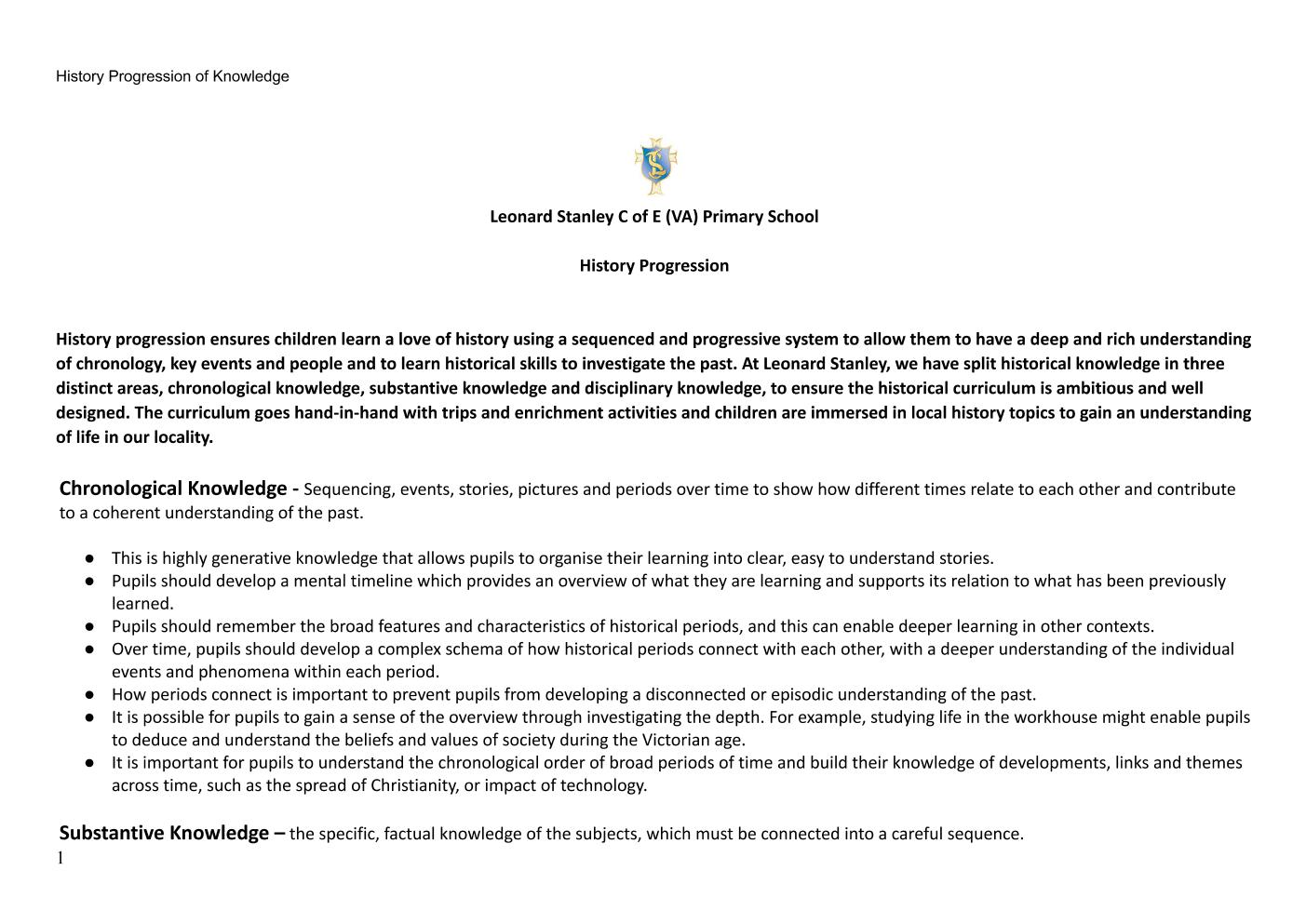
History Progression
History progression is broken down in the three key areas of historical knowledge: Chronology, Substantive knowledge and Disciplinary Knowledge
Geography
Geography
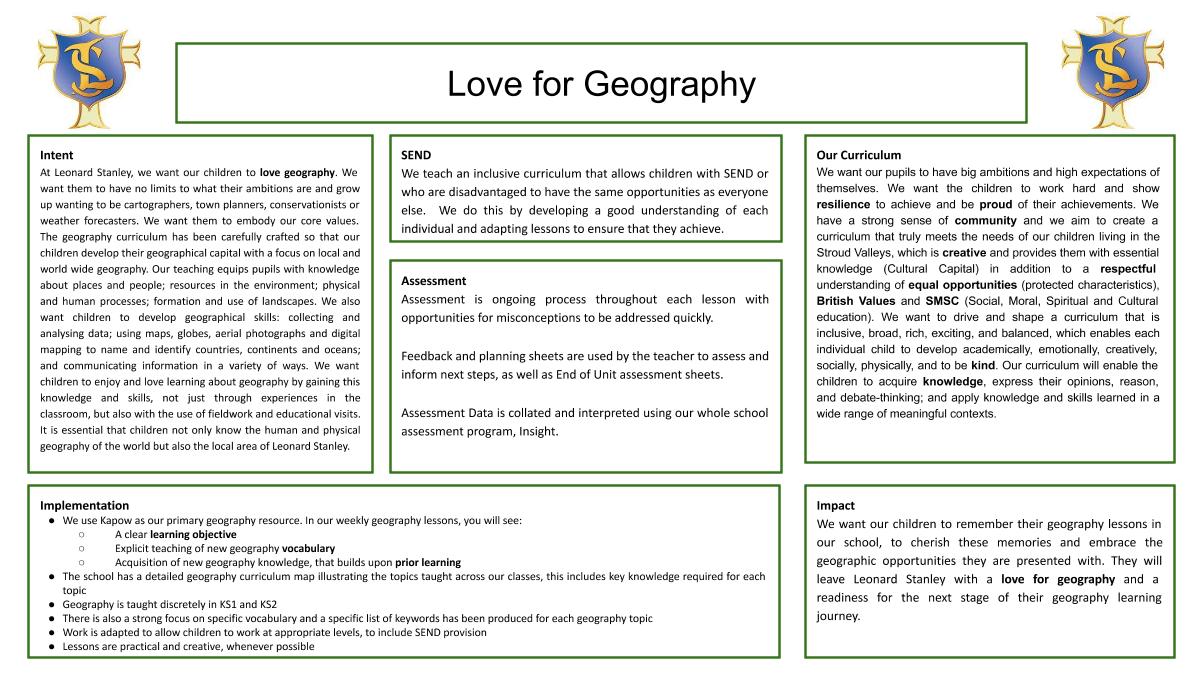
We want our children to love geography. We want them to have no limits to what their ambitions are and grow up wanting to be cartographers, town planners, conservationists, or weather forecasters. We want them to embody our core values. The geography curriculum has been carefully crafted so that our children develop their geographical capital with a focus on local and world-wide geography. We want our children to remember their geography lessons in our school, to cherish these memories, and to embrace the geographic opportunities they are presented with.
Geography Progression
Geography progression is broken down in the three key areas of Locational knowledge, Substantive knowledge and Disciplinary Knowledge
Computing
Computing
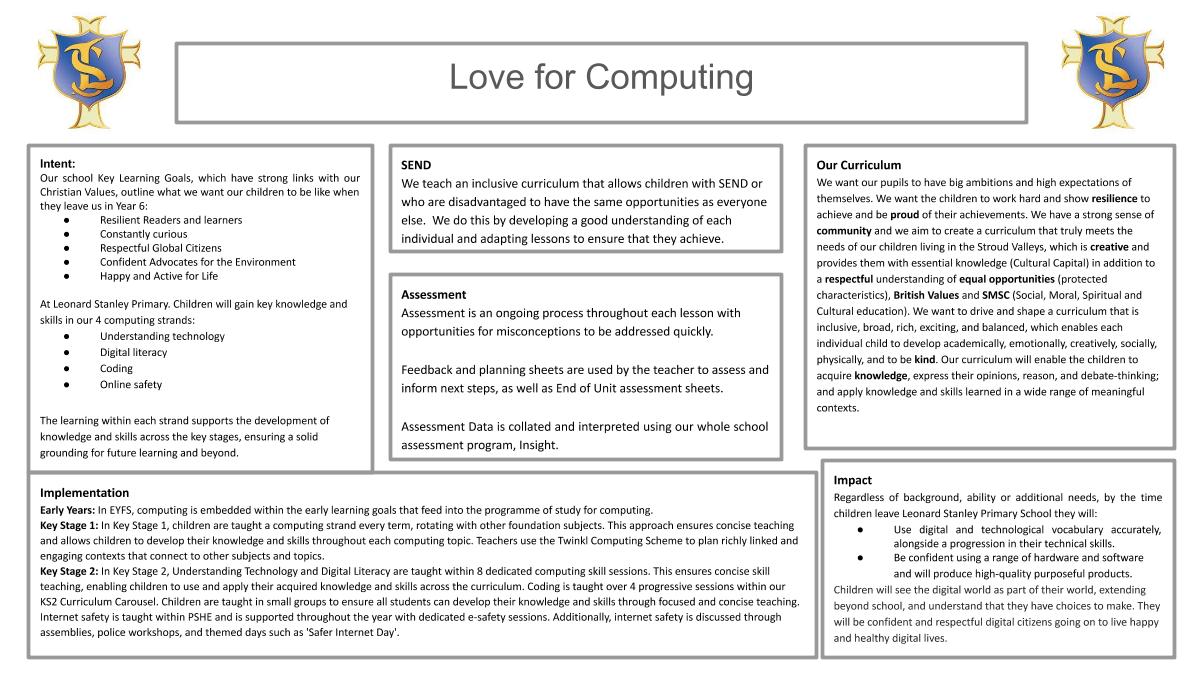
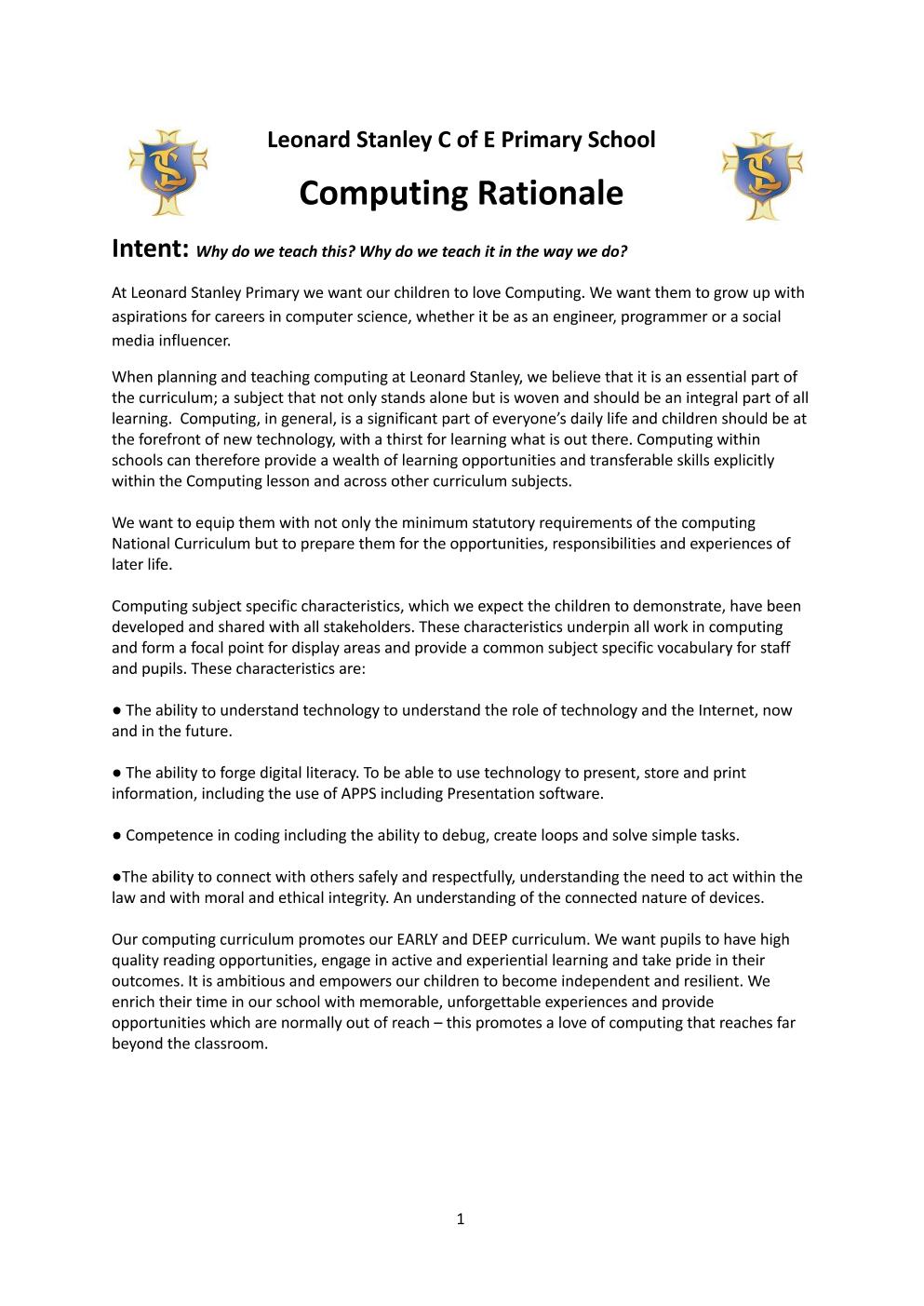
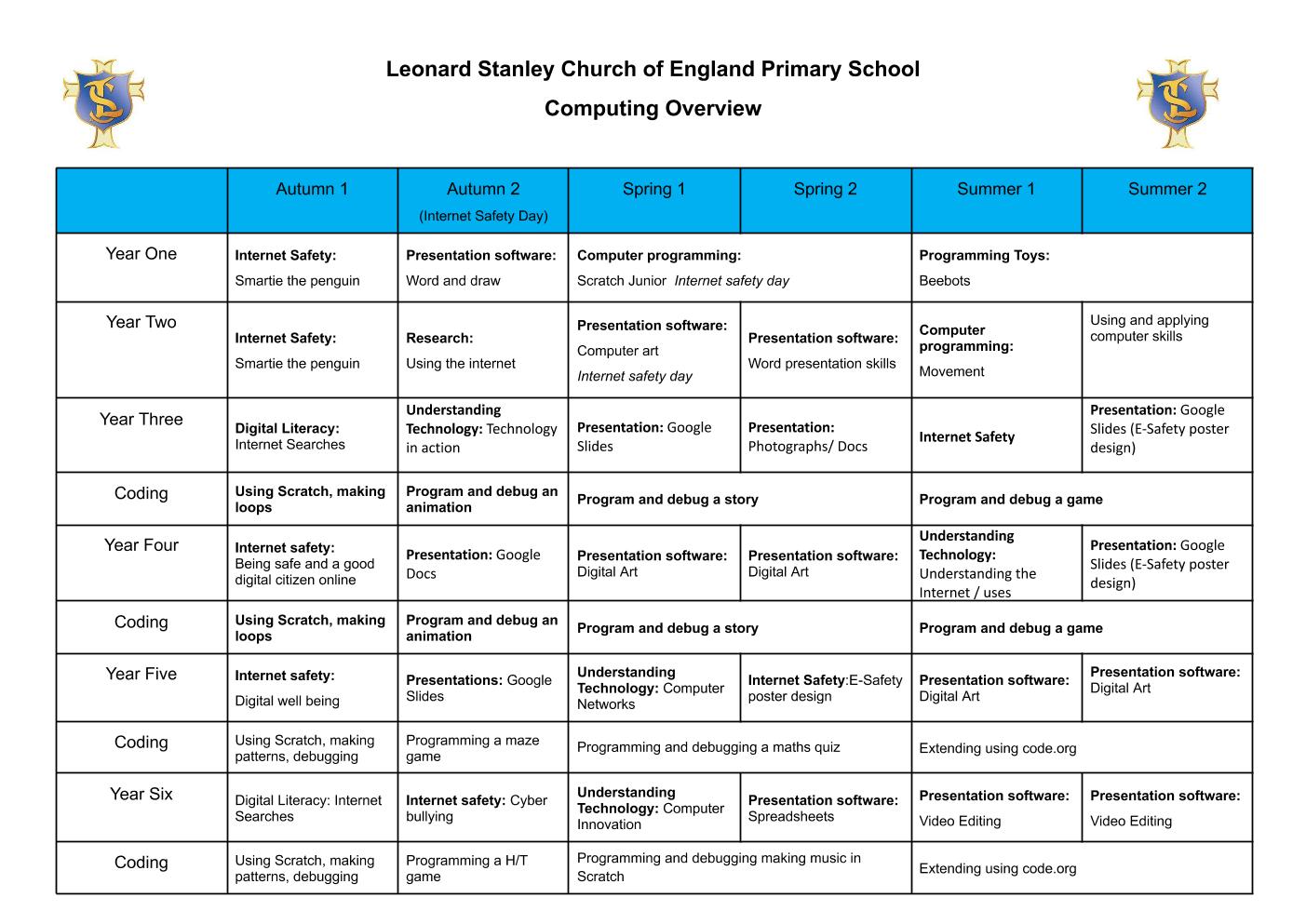
Children will gain key knowledge and skills in our 4 computing strands:
- Understanding technology
- Digital literacy
- Programming
- Online safety
The objectives within each strand support the development of learning across the key stages, ensuring a solid grounding for future learning and beyond.